
Search Is Evolving. Your Strategy Must Too

Search has not been replaced by AI. It has expanded.
Traditional search still drives the majority of high-intent traffic. People compare, click, and convert. That behaviour is not disappearing.
What has changed is what happens before the click.
AI is now shaping how people explore options, narrow choices, and form shortlists. In some cases, it answers the question outright. In others, it frames the options before a user ever reaches your site.
This is not a replacement model. It is an added layer.
The risk is not ignoring AI. It is misunderstanding where it sits in the journey.
Search Is No Longer One Place
Search used to be a list of links. Now it is a mix of:
- Traditional results that still drive most commercial traffic
- AI-generated summaries that intercept some queries
- Discovery across platforms like Google, YouTube, TikTok, and marketplaces
People move between these surfaces without thinking about it.
Some queries are quick answers. Others involve comparison and evaluation. Both behaviours now sit side by side.
Search volume is not collapsing. It is fragmenting.
That makes the environment more competitive, not less.
What Is Actually Changing
This is not a shift from visibility to influence. It is both.
- You still need to be indexed
- You still need to earn the click
- You now need to shape the shortlist before the click
AI is changing how brands are introduced.
It interprets intent, pulls from multiple sources, and presents a version of your brand in context. Sometimes alongside competitors you did not expect.
Your website still matters. But users arrive with more context and stronger opinions.
That changes how you convert.
What Marketers Need to Do Differently
- Content Has to Work Harder
Content now has two jobs.
It needs to rank in search and be understood by AI systems.
That means:
- Answering the question clearly and early
- Structuring content so it is easy to interpret
- Adding real expertise, not recycled summaries
If your content is vague, it will not be selected. By users or by AI.
- Measurement Needs to Broaden
Traffic and conversion still matter. They remain the commercial core.
But they no longer tell the full story.
You also need to watch:
- Branded search trends
- Direct traffic
- How your brand appears in AI-generated responses
These are signals of influence before the click.
Without them, you are only seeing part of the picture.
- Authority Is More Visible
AI systems favour clear, consistent signals. Brands with strong positioning, credible content, and external validation show up more often.
That includes:
- Reviews and ratings
- Case studies and proof
- Consistent messaging across platforms
Weak or inconsistent brands get filtered out early. This is not new. It is just more exposed.
Where Teams Go Wrong
Most teams fall into one of two traps:
- Chasing AI experiments that generate noise but no ROI
- Ignoring the shift and relying on outdated SEO strategies
Both miss the point, as the opportunity is integration.
Use AI to improve research, content, testing and analysis. Tie it back to commercial outcomes. Align search, content and conversion teams around shared goals.
Then systemise what works.
Final Thought
Search is now a connected system. AI is part of that system, not the whole story.
The priority is clear. Protect high-intent traffic. Influence decisions earlier.
What comes next will move quickly. AI agents and new interfaces will change how people discover and transact. The teams that win will not chase every shift. They will build systems that adapt as it happens.
If you want to get up to date with the latest changes in search and optimisation, explore AMI’s upcoming masterclasses:
- The New Rules of Search in the AI Era
https://ami.org.au/events-ami/the-new-rules-of-search-in-the-ai-era/ - Optimisation Playbook: Search, Conversion & Growth Strategy
https://ami.org.au/events-ami/optimisation-playbook-search-conversion-growth-strategy/
Latest News
-

Why Professional Networking Is Essential for Your Career..
Why professional networking is essential to your career. We explore the types, benefits of professional networking and provide some tips to become an effective ...
-

The death of search, the fall of SaaS, the end of the web, t..
The marketing technology machine is being torn apart at the joints. According to legendary tech analyst and Forrester founder George Colony, we've just entered ...
-
Digital Australia 2024 report: Social media dominates as Tik..
A new report from Meltwater and We are Social shows hefty growth in social engagement on TikTok, ongoing loyalty to Facebook and significant advertising dollars...
-
Webinar: Strategic Networking..
Is Your Networking Just a Catch-Up Over Wine? Stop Wasting Your Time Networking! Learn networking fundamentals and how to measure your success. ...
-
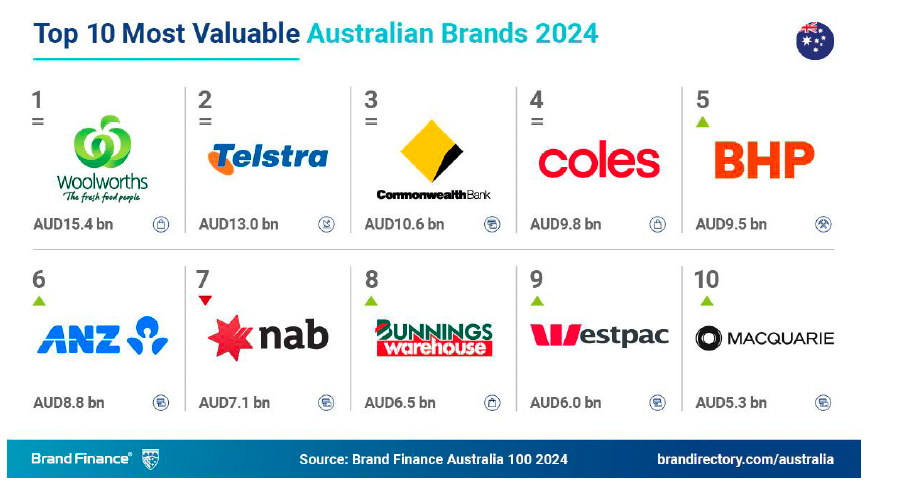
Brand Finance' most valuable 100 Australian brands 2024..
Brand Finance Australia has unveiled its 'Australia 100 2024' report, ranking the nation's 100 most valuable and strongest brands. The total valu...