

A new report from market research firm Circana has highlighted ‘social e-commerce’ as a significant opportunity for brands, with platforms such as YouTube, Instagram, and TikTok providing the environment to accelerate consumer decision journeys from awareness to purchase in-platform.
Author: admin
Bank of Queensland to cut 400 jobs amid simplification and digital plan

Bank of Queensland will cut 400 full-time jobs across the business in order to save $50 million a year, a decision it has attributed to simplification and digital initiatives enabling productivity gains.
Medibank profits soar as Health Insurance and Medibank Health segments power growth

Australian health insurance group Medibank has reported full year revenues of $8.18 billion, up 5 per cent on the last financial year.
Super Retail Group holds firm with increase in sales to $3.9bn and gross margin strength, buoyed by loyalty program members and new stores

Super Retail Group has held firm amid the tough trading climate for retailers, reporting a 2 per cent lift in sales to a record $3.9 billion for the full year to 30 June 2024. But like many it’s seen a hit to its earnings and profits, reporting a segment EBIT decline of 9 per cent to $400m and a net profit drop of 9 per cent to $240m.
Juniorisation trend emerges in Australia’s digital advertising and ad tech industry

The Australian digital advertising and ad tech industry has seen a slight increase in job vacancy rates, from 4.5% to 4.6% in 2024, according to the IAB 2024 Industry Talent Report. The report indicates that redundancies across the sector have resulted in fewer available jobs compared to 2023. Over three quarters of open positions are targeting individuals with 1-5 years of experience, suggesting a shift towards ‘juniorisation’ of the advertising workforce. The most in-demand group are those with 3-5 years of experience.
Modibodi and Fabric challenge menstruation myths with shark-infested campaign
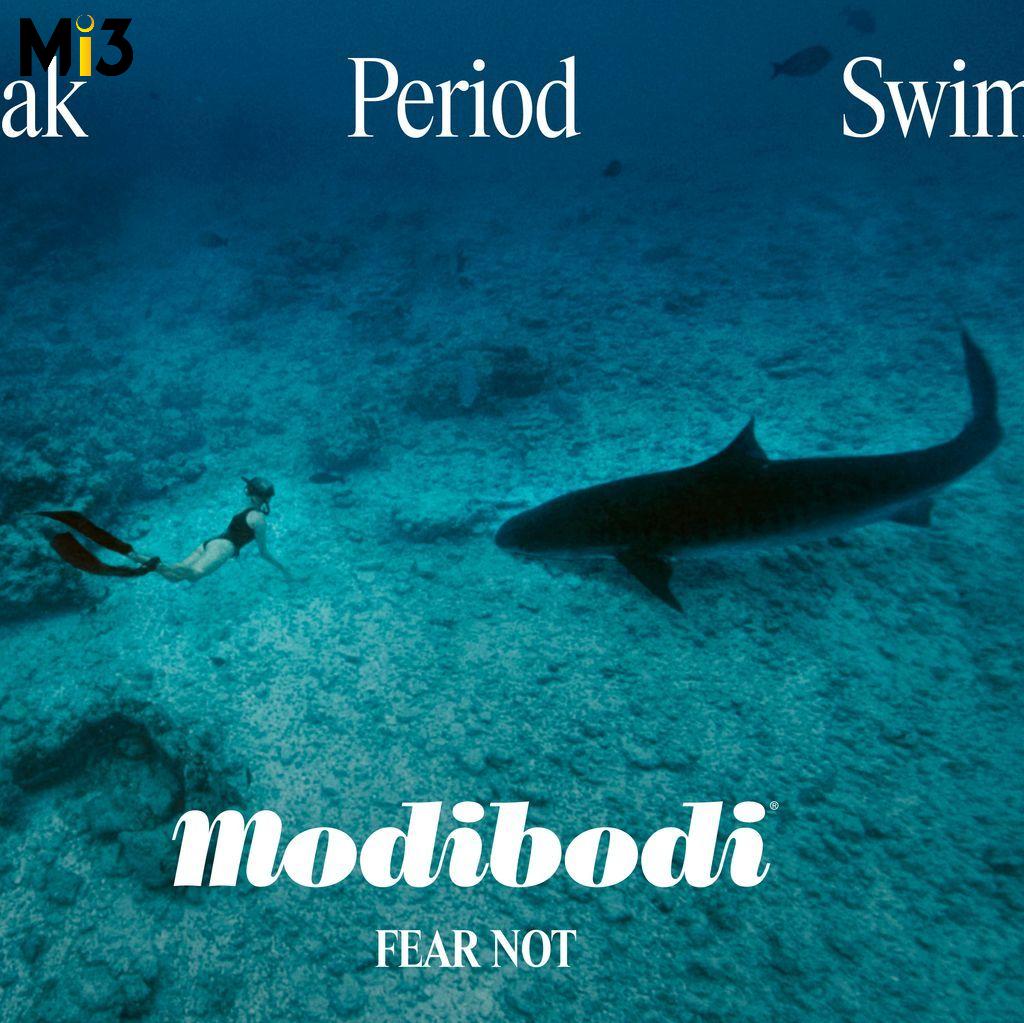
Global period underwear and swimwear brand, Modibodi, has partnered with creative agency Fabric in a daring new campaign aimed at dispelling myths around swimming during menstruation. The campaign features marine biologist and freediver, Brinkley Davies, swimming with 5-metre tiger sharks while on her period, wearing only a Modibodi swimsuit.
Bupa shifts lead creative agency gig to CHEP Network, parts company with Thinkerbell
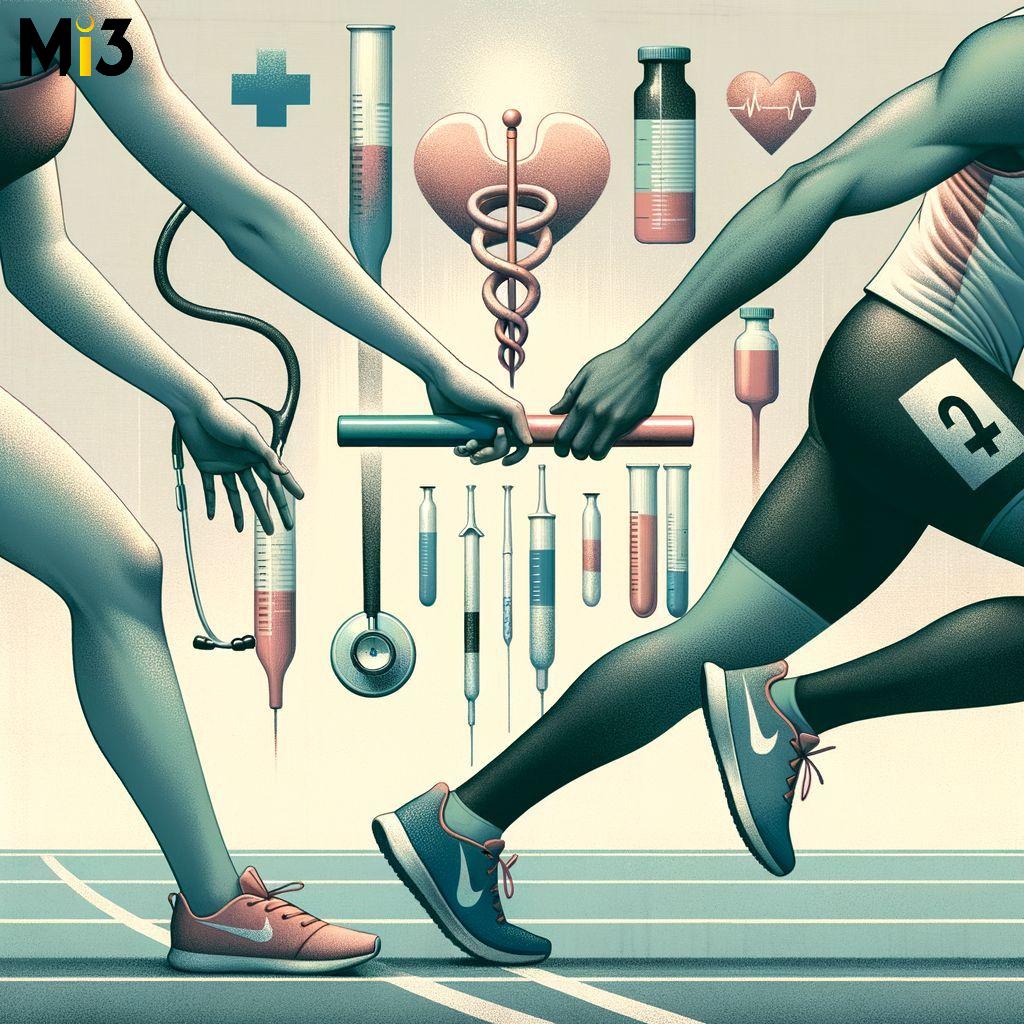
Bupa has announced a strategic shift in its creative approach, appointing CHEP Network as its lead creative agency for Australia and parting company with Thinkerbell after a three-and-a-half year partnership.
SafetyCulture appoints ex-Google marketer Aisling Finch as new VP of marketing

SafetyCulture, the Australian tech firm, has recruited former Google senior director of marketing for Australia, Aisling Finch to the newly created role of VP, Marketing.
Burnout hits 70% of media, marketing and creative professionals, reveals 2024 Mentally Healthy Survey
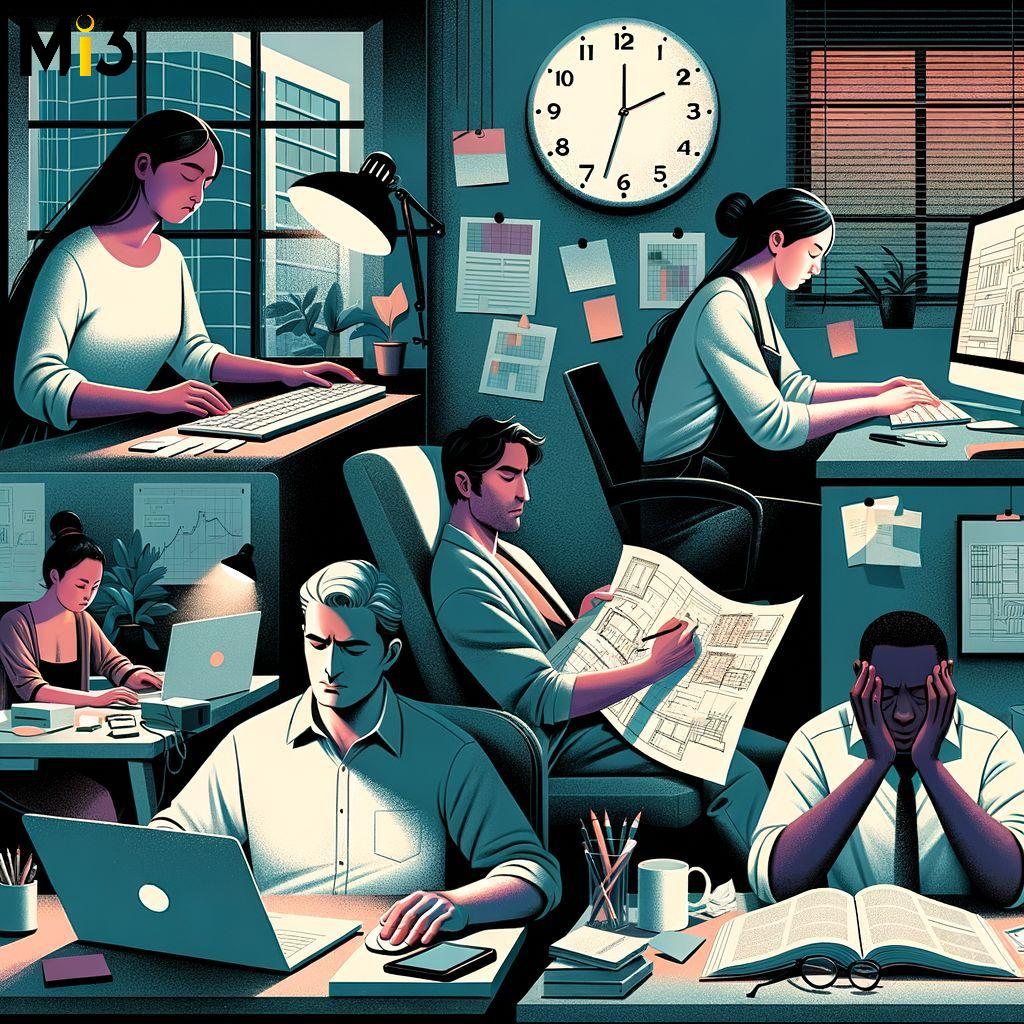
Seven in 10 professionals across the media, marketing and creative sectors reported experiencing burnout in the past 12 months, the 2024 Mentally Healthy Survey has revealed.
Privacy, baby pics and deepfake avoidance: Why an ASX-listed photo sharing app got James Warburton’s attention – Tinybeans CEO on subscriber, brand-performance and revenue rethink

ASX-listed privacy-focused baby pic sharing app Tinybeans spent years languishing under $0.08 a share. But it got a kick last month when James Warburton joined as a NED. The former Seven chief’s arrival was followed by Fatherly’s US-based co-founder and investor, Mike Rothman. The two “operators” are seen as category-connected muscle that’ll help the app find a viable way forward to profitability. But it must get marketing, product, team, strategy and operational efficiencies right – and avoid falling into the trap of relying on ad revenue. No small feat. But a year into the gig CEO Zsofi Paterson has made some major calls on business model, strategy and flipped performance for brand investment while replacing the sales team wholesale and bringing on micro – or tiny – influencers. Paterson, Warburton and Rothman see growing pain relief ahead.