
When Your Customers Become the Channel: What Gen Z Teaches Us About Modern Marketing
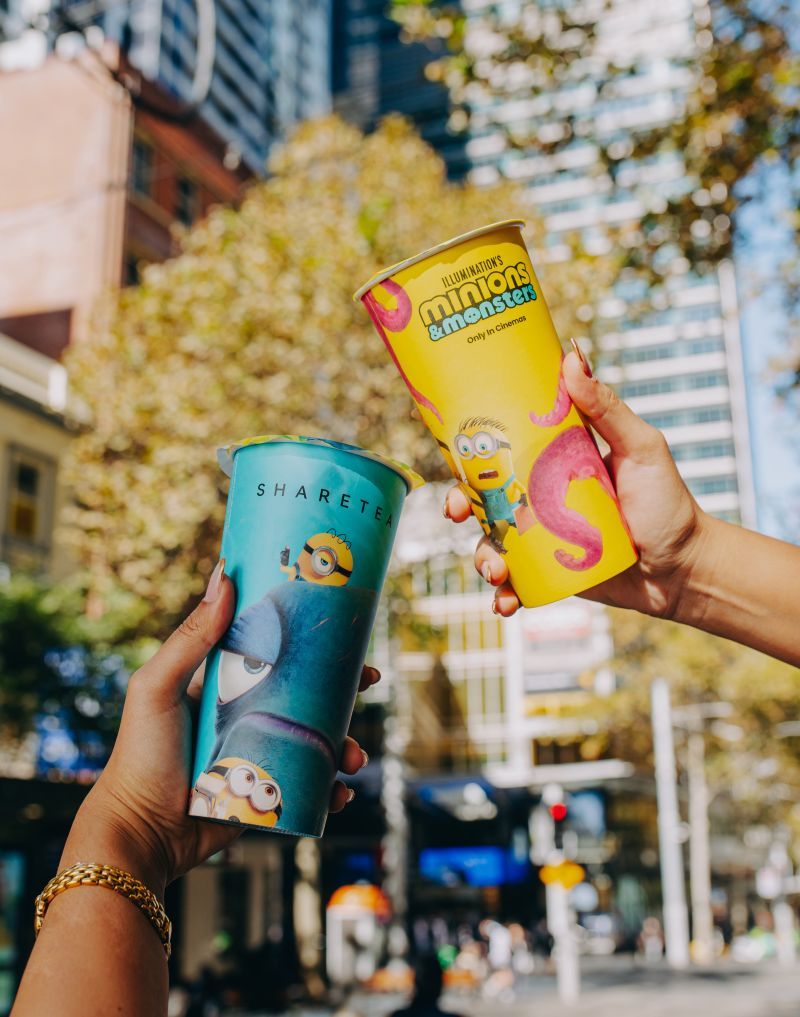
For Loane Avenell, Head of Marketing at Sharetea Australia, the answer isn’t to chase trends or interrupt conversations. It’s to build brands that customers genuinely want to share. Drawing on her experience across retail, QSR and franchising, Loane explores why today’s most effective marketing is less about broadcasting messages and more about creating experiences people naturally want to become part of.
After a number of years working in QSR and franchise marketing, I have been reflecting on how brands reach Gen Z.
There is a lot of marketing advice written about younger audiences, and at times it can treat Gen Z as a trend to be chased or a demographic to be captured. In categories like bubble tea, that thinking doesn’t work. Gen Z are already in the store and on delivery, already choosing the product and creating the content, and already deciding whether a brand understands the moment or may be trying too hard to join it.
That changes the role of marketing. The job is to recognise the energy that already exists around the product, shape it carefully and make it easier for customers to participate and remove the friction.
Bubble tea – the core product of Sharetea – is a fascinating category because the product is inherently social. It is visual, customisable, colourful and personal. Customers don’t simply buy a drink. They choose a flavour, adjust sweetness, add toppings, photograph it, carry it through shopping centres, share it with friends and turn it into part of their day. In many cases, the product becomes the content before the brand has posted anything.
That is both a gift and a responsibility.
The gift is obvious. Few categories have such strong organic customer behaviour. The responsibility is that the brand has to avoid getting in the way. Younger customers are smart – they respond to creativity, humour and value when it feels natural to the product and the community.
At Sharetea, that means thinking carefully about how brand, product, culture and operations connect. Bubble tea began in Taiwan and became part of Australian food culture through Asian-Australian communities, students, shopping centres and social sharing long before it became broadly mainstream. The goal is to invite more people into the category while protecting what made it special in the first place.
It also means understanding that great marketing in a franchise network has to work beyond the campaign idea. Sharetea now has 150 stores across Australia, and every campaign has to support franchisees operating in different locations, with different customer patterns and different local pressures. Brand consistency matters. So does local relevance. A campaign can look great in a presentation and still fall short if it is not practical for the people delivering it at store level.
That’s why I see infrastructure as a creative enabler, rather than just an operational project. Over the past year, we have rolled out a new POS system, customer app, loyalty programme, online ordering, self-ordering kiosks and delivery integrations across the Sharetea network. These systems give us better ways to understand customers, communicate with them and support franchisees. They also allow creative ideas to become more connected experiences and for the customer to order when and where they are.
Our Minions & Monsters partnership with Universal Pictures is a strong example of that. It started with an adored property, but the strength of the campaign came from how many touchpoints it could move through. We are bringing it to life across product, branded cups and seals, delivery, the app, loyalty, shopping centre activations, desirable merchandise prizes, social, influencers and in-store experiences. More than 1 million branded cups and seals carry the campaign into customers’ hands, photos and feeds.
For me, that is where modern food and beverage marketing is most interesting. It is not about being the loudest brand in the category. It is about creating something customers want to hold, share, talk about and make their own.
That lesson has been shaped by every stage of my career. I started in advertising at Ogilvy in New Zealand before moving into retail marketing in Australia with IGA, then into QSR and franchising with Mad Mex, and now Sharetea. Each role has reinforced the same belief: marketing is creative, but it is also commercial, cultural and operational.
The best campaigns understand the customer, support the people delivering the experience and create value for the business. Even better when they also create joy!
In a category like ours, joy matters. It is what turns a drink into a ritual, a store visit into a social moment and a customer into a channel. The smartest thing a brand can do is embrace that energy, build around it and know when to let the customer take the lead.
Latest News
-

Why Professional Networking Is Essential for Your Career..
Why professional networking is essential to your career. We explore the types, benefits of professional networking and provide some tips to become an effective ...
-

The death of search, the fall of SaaS, the end of the web, t..
The marketing technology machine is being torn apart at the joints. According to legendary tech analyst and Forrester founder George Colony, we've just entered ...
-
Digital Australia 2024 report: Social media dominates as Tik..
A new report from Meltwater and We are Social shows hefty growth in social engagement on TikTok, ongoing loyalty to Facebook and significant advertising dollars...
-

Webinar: Strategic Networking..
Is Your Networking Just a Catch-Up Over Wine? Stop Wasting Your Time Networking! Learn networking fundamentals and how to measure your success. ...
-
Brand Finance' most valuable 100 Australian brands 2024..
Brand Finance Australia has unveiled its 'Australia 100 2024' report, ranking the nation's 100 most valuable and strongest brands. The total valu...