
The Changing Nature of Search (And Why Most Businesses Are Thinking About It Wrong)

Everyone in marketing is talking about the death of Google. TikTok is the new search engine. ChatGPT is eating theinternet. Zero-click results have killed SEO. The algorithm changed again. The sky, apparently, is always falling.
Here is the less dramatic version: search is evolving, it has always been evolving, and the businesses that win long-term are the ones who understand what’s actually changing versus what’s just noise. Let’s start with what’s real.
How People Search Is Genuinely Shifting
Ten years ago, search meant typing keywords into Google and clicking a blue link. That model still exists, but it’s no longer the whole picture.
Younger audiences increasingly turn to TikTok, Instagram, and YouTube to discover products, places, and answers. A 25-year-old looking for a Melbourne restaurant recommendation is more likely to search TikTok than Google Maps.Someone researching a software tool might start with a YouTube walkthrough before they ever see a search result page.
Then there’s AI. Google’s AI Overviews now answer a growing proportion of queries directly on the results page.ChatGPT, Claude, and similar tools are capturing a slice of the informational search market. People who used toGoogle “how does X work” are increasingly asking an AI instead. (We’ve written about the broader implications of AI advancement if you want to go deeper on that.)
These are real shifts. They’re worth paying attention to.
But, and this is the part that gets lost in the noise, they don’t mean what most people think they mean.
Google Is Still Where Your Customers Are
Despite everything, Google handles somewhere in the range of 8.5 billion searches per day. Its share of the globalsearch market sits above 90%. That number has dipped slightly as AI tools have grown, but it hasn’t collapsed, and it isn’t going to overnight.
More importantly for most businesses: the intent that drives commercial decisions: “SEO agency Sydney”, “bestaccounting software for small business”, “emergency plumber Melbourne” — that intent still overwhelmingly lives on Google.
TikTok is brilliant for discovery and brand awareness. But when someone is ready to buy, ready to book, ready toget a quote, they go to Google. The research-to-purchase journey still runs through it. That is unlikely to change quickly, because Google has spent two decades earning that trust and making itself the default answer to “I need something.”
The businesses that panic and chase every new platform often dilute their effort across too many channels, execute none of them well, and wonder why nothing is working.
The Right Way to Think About Platform Diversification
Staying across emerging channels is smart business. Being present on platforms where your audience is spending time, even for brand awareness, even without direct conversion attribution, builds the kind of familiarity that makes people choose you when they’re finally ready.
The question is sequencing. Fix the foundation first.
If your Google presence isn’t sorted, if you’re not ranking for the searches that drive real pipeline, if your SEOfundamentals are shaky, then building a TikTok presence or optimising for AI search results is decorating a housewith no roof. Our SEO services page covers what that foundation should look like.
Get the core right, be visible where buying decisions are made. Then expand intelligently based on where your specific audience actually is.
One thing worth noting: the quality bar on Google is rising, not falling. The March 2026 Google Spam Update is the latest reminder that shortcuts don’t compound, but they do expire.
What the AI Shift Means for SEO
AI Overviews and zero-click results are a real challenge for certain types of content, particularly simple informational queries where Google can just answer the question directly. If your SEO strategy is built aroundranking for “what is X” content, that model is under pressure.
But transactional and commercial intent queries, the ones that drive actual revenue, still send people to websites.People making real decisions want to read, compare, evaluate. They want to see proof, reviews, credentials. An AIanswer doesn’t close that loop for them.
What this means in practice: the businesses that will do well are the ones with genuine authority in their space.Strong E-E-A-T signals. Real expertise, documented. Content that goes deeper than an AI overview can.
This is also part of why the agency you choose matters more now than it did five years ago. If you’re evaluatingyour options, our guide to choosing an SEO agency is worth a read before you talk to anyone, including us. And if you’re weighing up boutique versus large agency, this piece on that exact debate covers the tradeoffs honestly.
The Practical Takeaway
Search isn’t dying. It’s diversifying. The smart approach isn’t to chase every new channel or bet the farm on whatever platform is being called “the Google killer” this quarter.
It’s to know where your customers are right now, own that ground, and build your presence on emerging channelsin a way that’s proportionate to where your audience actually spends time.
For most businesses, that still starts with Google. It probably will for a while yet.
The brands that will struggle are the ones that either ignore the changes entirely or overcorrect and abandonwhat’s working. The ones that will win are the ones doing the boring, rigorous work of being genuinely visible to theright people, wherever they’re looking.
That hasn’t changed. It’s just harder to do now, and more valuable to do well.
About the author
Joe Romeo is the founder of Aperitif, a growth marketing agency he started in 2022. The agency works withecommerce brands and service businesses across Australia and the US, running SEO, Google Ads, Meta, andTikTok campaigns. Aperitif has won Best Global Small SEO Agency and multiple APAC Search Awards. Joe’s focusis on building marketing that compounds, not campaigns that spike and fade.
Latest News
-

Why Professional Networking Is Essential for Your Career..
Why professional networking is essential to your career. We explore the types, benefits of professional networking and provide some tips to become an effective ...
-

The death of search, the fall of SaaS, the end of the web, t..
The marketing technology machine is being torn apart at the joints. According to legendary tech analyst and Forrester founder George Colony, we've just entered ...
-
Digital Australia 2024 report: Social media dominates as Tik..
A new report from Meltwater and We are Social shows hefty growth in social engagement on TikTok, ongoing loyalty to Facebook and significant advertising dollars...
-

Webinar: Strategic Networking..
Is Your Networking Just a Catch-Up Over Wine? Stop Wasting Your Time Networking! Learn networking fundamentals and how to measure your success. ...
-
Brand Finance' most valuable 100 Australian brands 2024..
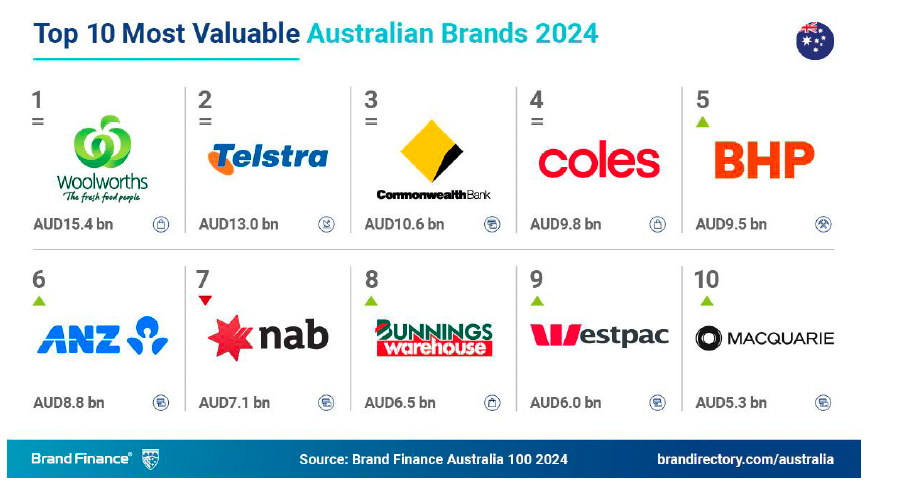
Brand Finance Australia has unveiled its 'Australia 100 2024' report, ranking the nation's 100 most valuable and strongest brands. The total valu...