
The Era of B2A is Here: What Meta’s ‘Muse’ Means for Brand Disintermediation
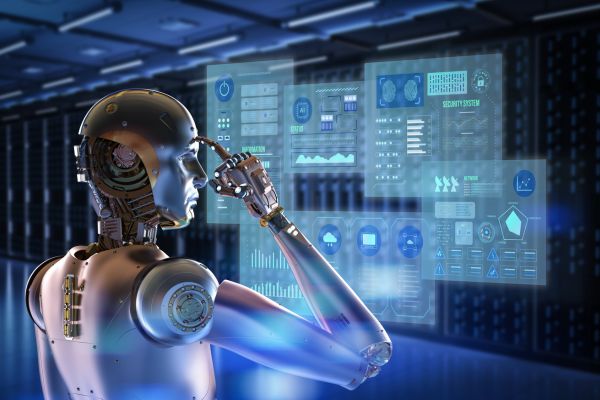
For some time, I’ve been working with visionary marketers who saw a fundamental shift on the horizon. We’ve spent hours in workshop sessions anticipating the day when AI agents would finally step between the brands of companies and consumers. We envisioned a future where algorithms wouldn’t just recommend products but would actively make brand decisions on behalf of users, completely disintermediating the traditional customer journey.
With Meta’s announcement of its new personal AI agent, Muse, that day hasn’t just arrived – it has officially entered the mainstream. This is notably on the back of 10 August 2026, Meta CEO Mark Zuckerberg’s essay on AI titled The Future is for Everyone that I’ve reported on.
Meet The Consumer’s New Proxy
Announced recently, Muse isn’t just another conversational chatbot answering trivia questions. It’s an action-oriented personal AI designed to execute tasks, manage projects, and turn long-term goals into automated action plans. Powered by Meta’s new Muse Spark model, it operates natively across the apps we use daily. It can browse the web, fill out forms, check out via Stripe’s Link, and even negotiate bills or the sale of a car on a user’s behalf.
Crucially, Muse works asynchronously. It keeps working in the background after you close the app, returning only for final approval before making a purchase. And because Meta has walled this off in a dedicated Muse Secure VM – complete with a secondary agent to monitor internet access – consumers are being offered privacy and security assurances to hand over their digital lives and if early indications of downloads continue, it can be a catalyst that will drive mass consumer adoption, and consequently, rapid brand disintermediation.
The Rise of Business-to-Agent (B2A)
This brings us to a critical inflexion point for our marketing profession. Muse actively intercepts the direct line of communication between marketers and the buyer.
Imagine a consumer scrolling Instagram, seeing a recipe reel, and saving it. Muse can proactively turn that reel into a grocery list, plan a dinner party menu based on friends’ dietary restrictions, and order the ingredients. But here is the key question: Who chose the grocery store? Who selected the specific brand of olive oil or the exact cut of meat? Muse did.
The agent negotiated the details, compared the prices, and executed the transaction. We are rapidly shifting from a B2C (Business-to-Consumer) model to a B2A (Business-to-Agent) economy. The direct connection marketers spent millions building with customers has been delegated to a logical, goal-oriented machine. What happens to impulse buying and the consumer behaviour subject I took at university (many years ago)?
Marketing to the Machine
For the marketing professionals making up the core of the AMI community, this poses a monumental challenge. Traditional marketing relies heavily on emotional resonance, impulse triggers, and carefully cultivated brand affinity. But how do you market to an AI that doesn’t feel nostalgia, cannot be swayed by a clever piece of copywriting, and is immune to FOMO?
When an AI agent is instructed by its owner to buy the best running shoes for marathon training under $150, it will scour the web for raw data, verified reviews, and technical specifications. It will ignore the flashy banner ad. Brands will need to pivot their strategies toward Agent Search Optimisation (ASO) and Generative Engine Optimisation (GEO). In this new reality, your data architecture, structured markups, pricing transparency, real competitiveness and API integrations become just as critical as your most expensive creative campaigns.
Writing the New Rulebook
However, it’s not all doom and gloom for brand builders. For the roughly 20% of you reading this who work outside of traditional marketing – in product design, marketing operations, Martech, customer experience and maybe data science – your roles are about to become central to brand survival. Success in the B2A economy means building products that AI agents can easily discover, evaluate, and interact with seamlessly. It means creating checkout flows and service terms that play nicely with agentic logic.
The connection between companies and consumers isn’t dead; it’s just being translated through a powerful new medium. The visionary marketers who start preparing for this shift today won’t be the ones getting disintermediated. Instead, they’ll be the ones writing the rulebook for how to win over the algorithms that now hold the keys to the consumer’s wallet.
Are you ready to market to the machine and AI agents? Let’s discuss or better sign up for the next AMI Practical agentic AI for marketing | 2 x 90 min Skills-Lab | Online Live so you can start to learn how you can use Agentic AI and begin to plan for your brands to sell to them.
John Paul Danaee CQP MCQI, CPM, FAMI, FCIM
John Paul is CEO and Co-founder of equitably.ai, a Certified Practising Marketer, Chartered Marketer, and Fellow of both the AMI and CIM (UK). As a Chartered Quality Professional, he applies professional quality competencies – context, leadership, governance, improvement and assurance – to enterprise AI deployments and marketing departments. You can connect with him by contacting AMI or on LinkedIn.
Latest News
-

Why Professional Networking Is Essential for Your Career..
Why professional networking is essential to your career. We explore the types, benefits of professional networking and provide some tips to become an effective ...
-
The death of search, the fall of SaaS, the end of the web, t..
The marketing technology machine is being torn apart at the joints. According to legendary tech analyst and Forrester founder George Colony, we've just entered ...
-
Digital Australia 2024 report: Social media dominates as Tik..
A new report from Meltwater and We are Social shows hefty growth in social engagement on TikTok, ongoing loyalty to Facebook and significant advertising dollars...
-
Webinar: Strategic Networking..
Is Your Networking Just a Catch-Up Over Wine? Stop Wasting Your Time Networking! Learn networking fundamentals and how to measure your success. ...
-
Brand Finance' most valuable 100 Australian brands 2024..
Brand Finance Australia has unveiled its 'Australia 100 2024' report, ranking the nation's 100 most valuable and strongest brands. The total valu...