

The first tranche of Privacy Act reform finally hits parliament today with serious breaches of personal information, child protection and automated decisioning transparency top of the list. But the marketing and advertising industry remains severely short on how to move forward as key areas of reform, including the ‘fair and reasonable’ test for how to use personal information, targeted advertising, consent models and SMB exemptions get kicked down the road.
Author: admin
Mutinex report shows dangerous shift to lower-funnel tactics amid flat ROI

Mutinex is urging marketers to stop ditching upper funnel investments in favour of lower funnel activations, warning performance is well and truly overinvested.
Mcdonald’s Australia brews up support for Paralympians with ‘Takeaway Baristas’ campaign

McDonald’s Australia has unveiled the final instalment of its three-part social content series for McCafé, titled ‘Takeaway Baristas’, as part of its Paralympic campaign by DDB Sydney.
Google claims open web display no longer exists as Justice Department adtech break-up trial begins
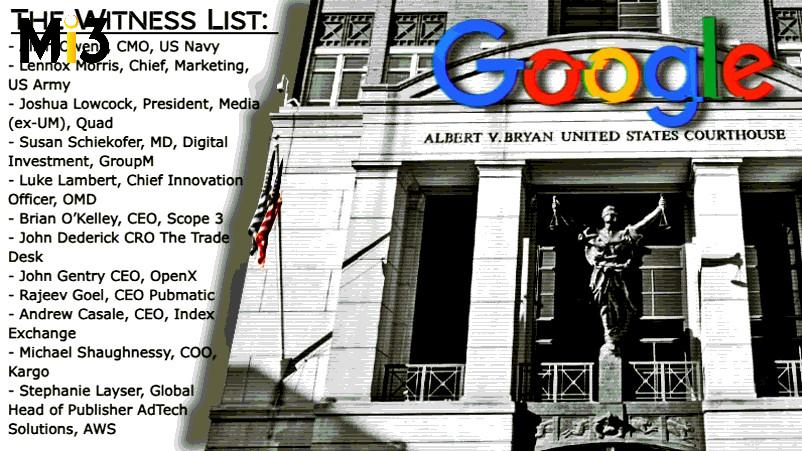
Google spent the first day of its latest trial brought by the US Department of Justice attempting to argue that open web display ads no longer exist and that the DoJ is stuck in the past. Yet Google made $31.3bn from network display ads per its latest earnings report – and the department is pushing for a break-up. Here’s what happened on day one as attack and defence lines were drawn.
Optus marketing and revenue MD Matt Williams steps down after five-year tenure

Optus MD of marketing and revenue, Matt Williams, is leaving Australia’s second largest telco after a five-and-a-year stint.
Repco and Thinkerbell gear up for Bathurst 1000 with ‘Temple of Bathurst’ campaign

Repco and Thinkerbell have unveiled the latest campaign for the automotive brand called ‘Temple of Bathurst’, as part of the ongoing ‘Bringin’ the Bathurst’ series.
Fiverr report: Aussie businesses rethink marketing strategies amid upcoming privacy regulations

Fiverr International Ltd. has unveiled new data exploring how Australian businesses are gearing up for the holiday shopping season. The findings reveal a shift in business strategies in response to impending privacy regulations that align with Europe’s GDPR laws.
50 years of Snooze: Bedding retailer’s marketing team aims for value, nostalgia and the long and short with milestone anniversary campaign – discounting out
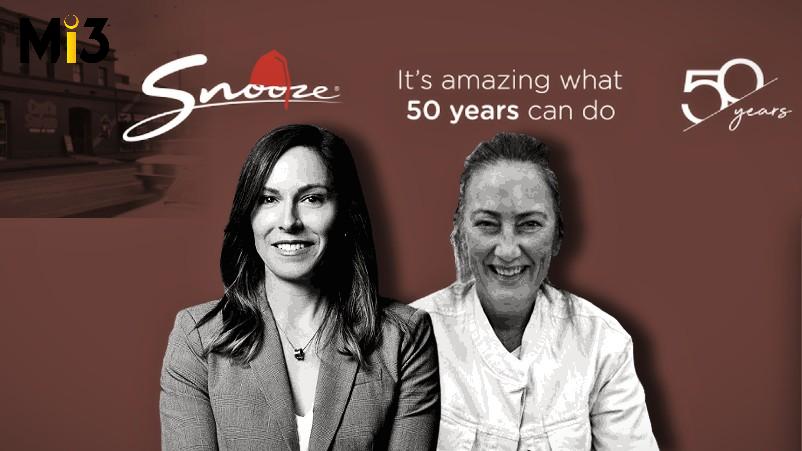
Snooze is among a relatively small group of Australian retailers who’ve made it to 50 years and the company is celebrating the milestone with a through-the-line campaign program that straddles brand and retail, nostalgia and future potential, short-term gain and long-term consideration, say marketing and ecommerce leader, Doni Davies, and head of CX, Penny Watson. In a retail market suffering its way through soft economic conditions and a cost-of-living crisis, the name of the game has to be about adding value for customers, the pair say – not more discounting. And the latest campaign provides a good opportunity to score an extra value point with customers and franchisees alike by connecting in a contextually relevant way that leverages brand equity and trust in market.
Albanese Government to enact social media age limits, legislation penciled for late 2024

The Albanese Government will introduce new legislation to impose age restrictions on social media access, the Prime Minister has confirmed. The national crackdown takes inspiration from South Australian Premier Peter Malinauskas’ push to ban kids under 14 from setting up social media accounts, though it’s not yet clear what ages would be captured under the federal legislation.
Streaming services have peaked as 2025 ad take set to surge to $200m; Amazon Prime, Kayo, Binge lead local market with ‘sophisticated’ human sales teams but too many streamers to support with ads – Omnicom, Telsyte

The latest analysis of SVOD growth rates from tech and telco analyst Telsyte proves one thing: fear of streaming services losing subscribers by pivoting to ads is overblown: They’re growing – though some more than others. MD Foad Fadaghi says ads, plus AI personalisation, integration and format innovation, will power the next growth cycle but streaming growth has peaked. Omnicom investment chief Kristiaan Kroon suggests Stan, Nine’s ad-free SVOD holdout, should heed that lesson because Nine has something globals like Netflix and others do not: “A really sophisticated, at scale, sales infrastructure, which means they could make really good money from an ad tier.” There’s more competition incoming from HBO and Disney. But Kroon reiterates that the best sales wins because unlike the US and UK, Australia’s premium end of town doesn’t operate on fully automated systems and open exchanges. “They are still very much handheld markets.”Who’s winning right now? “Amazon Prime and then Binge and Kayo. Why? They have come to market with scale, both have sales teams, both have sophisticated data infrastructure,” per Kroon. He thinks streamer ad tiers will eclipse his earlier predictions of $75-$100m take in 2024 with Amazon, Kayo and Binge taking most of the pie. Next year, he thinks SVOD ad tiers could beat $200m, but there’s debate about how big ad-streamers like Amazon and Netflix actually are. Fadaghi suggests 80 per cent Telstye’s estimated 4.8m Amazon Prime subscribers could technically receive ads. Kroon puts the active Prime user base around 2-2.5m, broadly on a par with Nine and Seven. There’s also an effectiveness debate, with data from Adgile suggesting streamers can’t yet match TV’s results. Kroon says the MMM-effectiveness-ROI debate has become “very finger pointy in recent months”, but agrees there’s a gap to close.Ultimately, he thinks local content integration could prove decisive in determining winners and losers – and for some of the globals, Australia may prove too small.”I don’t see how we can support that many BVOD, SVOD [players] – and we haven’t really even talked about YouTube and the amount of ads that are served on CTV now,” says Kroon. “There’s only going to be a certain number that can be supported.”Fadaghi predicts the streamers will triple in size to 10m subscribers in the next four years, “with more than a third on ad tiers.”